
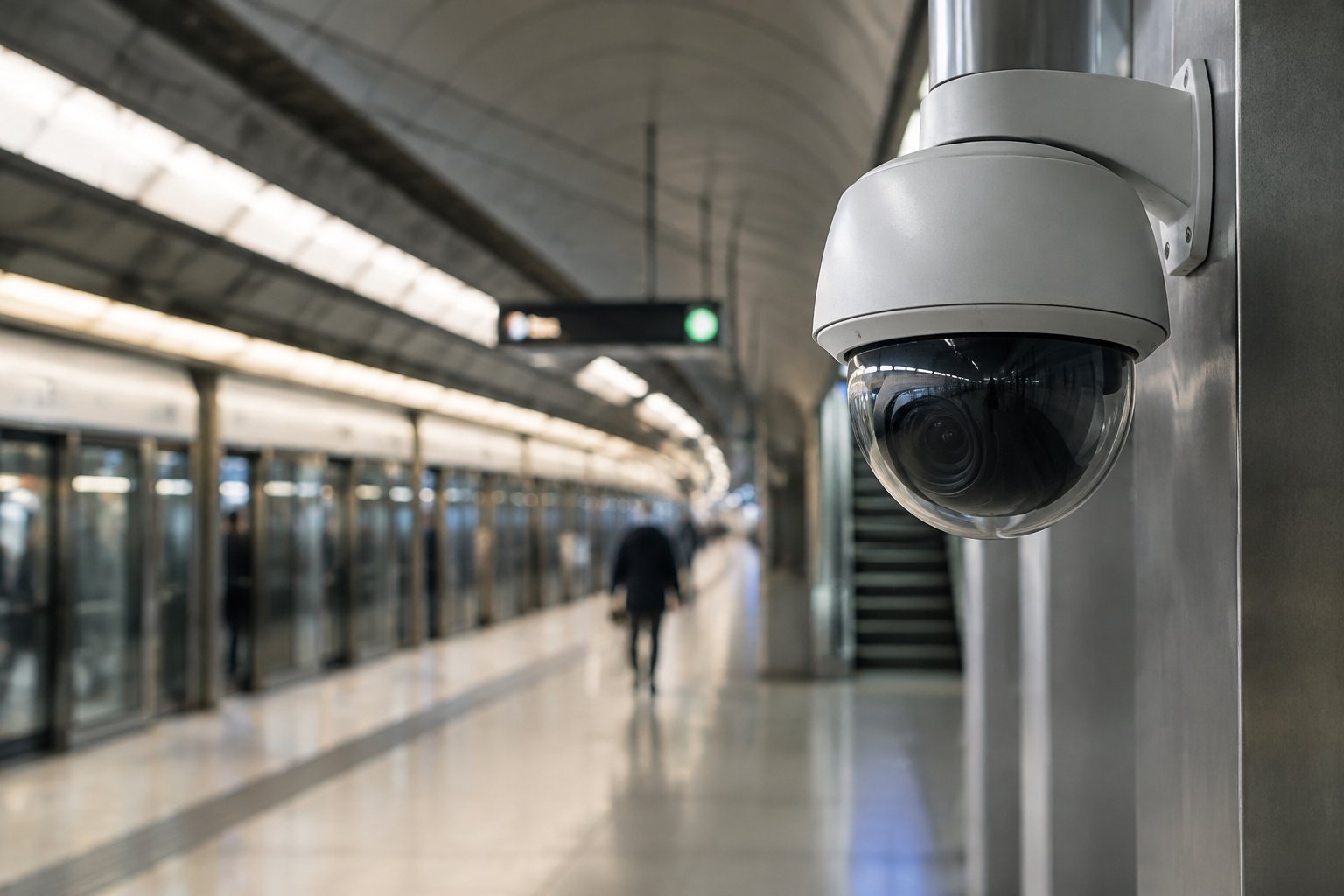
Denmark’s Data Protection Agency, Datatilsynet, has issued serious criticism of Metro Service after the company refused a person’s request to see CCTV footage from Kongens Nytorv metro station and the relevant recordings were later deleted. The decision, reported on November 2, 2026, says Metro Service did not establish grounds for refusing access and that deleting the footage prevented the complainant from having the decision reviewed.
What happened in the case?
The person asked to see surveillance material connected with an incident they had experienced at Kongens Nytorv station. According to Datatilsynet’s decision, the request included a general description of the person’s appearance and specific details about the incident. Because of the complainant’s social circumstances, the incident could not be narrowed down beyond a 10-day period between midnight and 6 a.m.
Metro Service refused the request, saying it could not identify the person in the footage, that finding the relevant material would involve excessive work, and that public security could prevent recordings from being disclosed in some cases. The company also said it was cautious about giving access because doing so could reveal blind spots in its surveillance coverage, according to Datatilsynet.
The agency concluded that those grounds did not justify refusing this particular request. It said Metro Service had not sufficiently shown that it had carried out the concrete assessment of competing interests needed for an exception to apply. The agency’s position was that the right of access is the general rule and that exceptions require documented, case-specific consideration.
After the refusal, Metro Service deleted the relevant footage. Datatilsynet found that this was inconsistent with data-protection rules, in part because it cut off the complainant’s opportunity to have the access decision reviewed by the agency or the courts.
Why does the decision matter?
The case concerns a practical privacy question: what happens when a person asks an organization to find and provide CCTV footage that includes them? Datatilsynet says the right to access personal information also applies when the information is recorded by surveillance cameras. A person’s description and the details they provide should be considered together when deciding whether they can be identified.
The decision also addresses the burden of searching for footage. Datatilsynet said that a high amount of work, by itself, does not establish that someone is misusing their rights. Organizations using surveillance technology must be able to search for relevant information in a way that does not make it impossible to respect people’s access rights.
For people seeking footage, the case shows why details that help identify the relevant person and incident can matter. It does not mean every request must result in an unedited copy: the person is entitled to information about themselves, and other people may also appear in a recording. Datatilsynet says organizations must consider those other people’s information when responding.
What rules and safeguards did the agency explain?
Under the GDPR, as described by Datatilsynet, people have a right to access information an organization processes about them, including information gathered through CCTV. If an organization refuses a request, it is responsible for documenting why it considers the refusal justified.
The agency also addressed what to do when footage would normally be due for deletion. It said recordings can be kept beyond their usual deletion deadlines for the limited purpose of responding to a specific access request that has already been made. This does not give the organization permission to keep or disclose unrelated personal information indefinitely.
Where other people appear in the recording, the organization must take steps to limit the processing of their information. Datatilsynet gave sound and image editing tools as examples of technical measures that may help provide the requester’s information while protecting others and limiting use of the recording to the relevant period and original purpose.
What happens next?
The Copenhagen Post reported that Metro Service had taken note of the criticism and was reviewing both the decision and its procedures for handling requests to access camera footage. The company said it was important to handle such requests correctly and in accordance with the applicable rules. Earlier Ritzau reports carried by NI.dk and Opdateret said Metro Service had not responded when those reports were published.
For readers considering a request for surveillance footage, the agency’s decision is a reminder to give relevant identifying details and information about the event where possible. If a request is refused, Datatilsynet says the organization should be able to document its reasons. The decision does not report a deadline for Metro Service’s review or announce a further ruling.
Source: cphpost.dk